Beyond the Desert: Preparing Nevada Businesses for the Seasonal Weather Hazards Most Employers Don't See Coming
Ask most people to picture Nevada weather, and they will describe heat, sun, and dry air. That picture is accurate—but incomplete. The Silver State spans nearly 111,000 square miles of dramatically varied terrain, from the Mojave Desert floor to the peaks of the Ruby Mountains. That geographic diversity produces a weather profile far more complex than the postcard image suggests, and businesses that plan only for summer heat are leaving significant gaps in their emergency preparedness.
Flash floods, winter storms, high-wind events, and mountain snowpack hazards are not anomalies in Nevada—they are recurring seasonal realities that affect commerce, employee safety, and operational continuity in ways that many employers are genuinely unprepared to address. Building a more complete weather preparedness strategy requires understanding where these hazards occur, how quickly they can develop, and what specific steps businesses must take before conditions deteriorate.
Flash Flooding: Nevada's Most Underestimated Hazard
Nevada receives an average of less than ten inches of precipitation annually, but that figure masks the intensity with which that precipitation can arrive. Summer monsoon moisture from the southwest brings brief, violent thunderstorms capable of dropping an inch or more of rain in under an hour. In canyon terrain—including areas around Las Vegas, Boulder City, Laughlin, and the communities surrounding Lake Tahoe—that water has nowhere to go but downhill, fast.
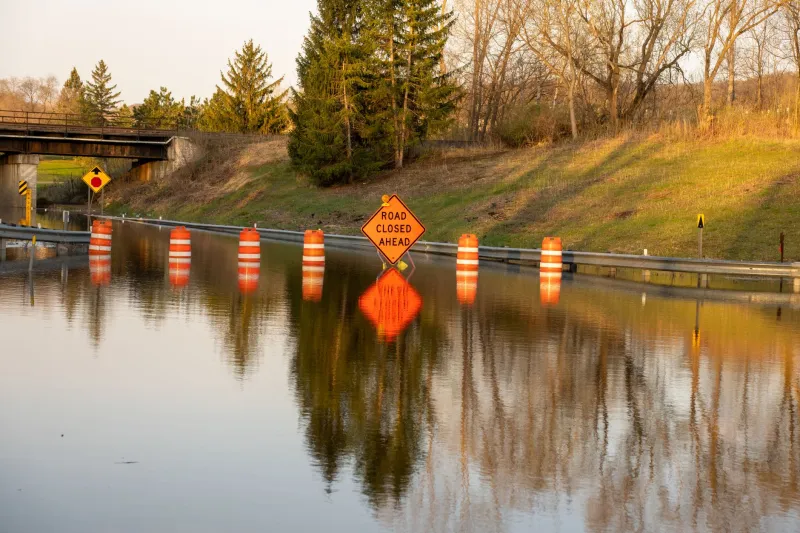
Flash floods in Nevada can develop within minutes of a storm beginning, sometimes in areas where the sky appears clear at ground level. Dry washes and arroyos that sit empty for months can become raging channels with little warning. The Clark County region experiences some of the most significant flash flood risk in the American West, and businesses located near drainage channels, canyon mouths, or low-lying areas along Interstate 15 and US-95 corridors face real exposure.
For employers in flood-prone areas, preparedness begins with a site assessment. Identify whether your facility sits within or adjacent to a Federal Emergency Management Agency (FEMA) designated Special Flood Hazard Area by consulting current Flood Insurance Rate Maps. Even businesses outside mapped flood zones can experience surface flooding during high-intensity events.
Operational protocols should include the following elements:
Flood watch and warning monitoring: Designate a staff member responsible for monitoring National Weather Service alerts during monsoon season (typically June through September in southern Nevada). The NWS Las Vegas office issues Flash Flood Watches, Warnings, and Emergencies for Clark, Nye, and Lincoln counties. The NWS Reno office covers northern Nevada.
Employee evacuation routes: Establish and communicate primary and alternate evacuation routes that avoid known flood channels. Employees should never attempt to drive through flooded roadways—as little as six inches of moving water can knock a person off their feet, and two feet can carry away most vehicles.
Physical site preparations: Maintain clear drainage around building perimeters. Store inventory, equipment, and critical documents above potential water intrusion levels. Consider flood barriers or sandbag staging areas for facilities with repeated exposure history.
Business continuity provisions: Identify which business functions can continue remotely if a facility becomes inaccessible due to flooding. Document vendor and supplier contacts and establish backup sourcing relationships in advance of disruptions.
Winter Storms: A Northern and Mountain Nevada Reality
The Reno-Sparks metro area, the Lake Tahoe Basin, Elko, Ely, and the communities along US-50 and US-93 experience genuine winter weather conditions that can halt operations, strand employees, and sever supply chain connections. Interstate 80 through the Sierra Nevada corridor is one of the most commercially significant freight routes in the western United States—and it is also one of the most frequently closed highways in the country during winter storm events.
For northern Nevada businesses, winter preparedness is not optional. It is an operational necessity. Key considerations include:
Supply chain resilience: Businesses that depend on daily or weekly deliveries via I-80 or US-395 should carry additional inventory buffer during the November through March window. Identify secondary suppliers or distribution routes that do not depend on mountain pass access. Communicate proactively with customers about potential delivery delays during forecast storm periods.
Employee safety policies: Develop a written inclement weather policy that addresses remote work options, shift modifications, and the conditions under which operations will be suspended or delayed. Employees should not be pressured to commute in unsafe road conditions. Coordinate with local emergency management and road condition services—Nevada Department of Transportation's 511 system provides real-time road condition data statewide.
Facility winterization: Ensure that HVAC systems, roofing, and exterior drainage are inspected before the onset of cold weather. Flat or low-pitch commercial roofs can accumulate snow loads that exceed structural design limits during heavy storms. Parking lots and pedestrian walkways require a documented ice and snow removal plan, both for employee safety and general liability management.
Generator and backup power readiness: Winter storms can cause extended power outages in rural and mountain communities. Businesses in Elko, Ely, Winnemucca, and similar locations should evaluate whether backup generator capacity is sufficient to maintain critical operations, heating, and communications during an outage.
High-Altitude and Mountain Community Challenges
Nevada communities at elevation—including Incline Village, Minden, Gardnerville, and portions of Douglas and Washoe counties—face weather conditions that differ substantially from the valley floor. Businesses operating at altitude must account for reduced visibility due to blowing snow, road closures that isolate communities, and the physical demands that cold and elevation place on outdoor workers.
Employers with workers performing outdoor tasks in mountain environments should review cold stress hazard protocols under OSHA guidance. While OSHA does not currently have a specific standard for cold stress equivalent to its heat illness regulations, general duty clause obligations require employers to protect workers from recognized hazards—and cold-related illness is a recognized hazard. Layered clothing requirements, warm break areas, buddy systems, and worker training on the signs of hypothermia and frostbite are appropriate administrative controls.
Regulatory Considerations and Documentation
Nevada OSHA requires employers to maintain a written emergency action plan if they employ more than ten workers and are subject to specific OSHA standards. That plan must address evacuation procedures, emergency escape routes, procedures for employees who remain to operate critical systems, and methods for accounting for all personnel following an evacuation.
Beyond OSHA obligations, businesses with federally backed loans or occupying properties in designated flood zones may have National Flood Insurance Program obligations. Employers should also review their commercial property and business interruption insurance policies to confirm that weather-related event coverage aligns with their actual risk profile—and to identify gaps that may need to be addressed through riders or supplemental coverage.
Building a Weather-Ready Business Culture
Preparedness is not a document that sits in a filing cabinet. It is a set of practiced behaviors, communicated expectations, and tested systems. Conduct tabletop exercises that walk department managers through realistic weather scenarios—a flash flood closing your primary access road, a winter storm stranding employees overnight, a wind event downing power lines adjacent to your facility. Identify the decision points, communication responsibilities, and resource gaps that those scenarios expose.
Nevada's weather may be less dramatic than a Gulf Coast hurricane or a Midwest tornado, but it is no less capable of disrupting businesses that are not prepared for it. The employers who fare best through seasonal hazards are those who took the time to look beyond the postcard and plan for the state as it actually is.